National Botanic Garden of Wales
Saving Pollinators Assurance Scheme
Creating a trusted brand for Wales' pollinator-friendly plants
The Background
Led by the National Botanic Garden of Wales' Science team and underpinned by extensive research, including DNA barcoding, the Saving Pollinators Assurance Scheme promotes the sale of pollinator-friendly plants grown without synthetic insecticides or peat compost.
By encouraging more sustainable planting choices, the scheme aims to help reverse pollinator decline while supporting wider biodiversity, benefiting wildlife such as hedgehogs, sparrows and frogs.
The Brief
The National Botanic Garden of Wales needed a distinctive visual identity to give its new Pollinators scheme a clear and recognisable presence. The creative challenge was to communicate the environmental purpose of the scheme in an engaging, accessible way, while appealing to a broad audience and standing out across a diverse range of applications.
The identity needed to make the connection between purchasing a plant and supporting pollinators immediately clear, while communicating the scheme’s sustainable credentials: plants grown without synthetic insecticides or peat compost.
It also needed to be flexible enough to work consistently across plant labels, seed packets, signage, flags, posters, print and digital, as well as across plants sold by the Garden and approved growers and nurseries throughout Wales.
Initial brand development, exploring the combination of the three key elements of the scheme

Development
DNA evidence is at the heart of the Pollinators programme, setting it apart from other schemes and making it a key element of the brand.
We explored clean, contemporary line icons to represent the three core elements, both individually and as a cohesive set.
With spring being a key season for pollinators, we explored a fresh, vibrant colour palette designed to work both collectively and independently.
As the identity needed to work bilingually, typography was an important consideration. We explored bold, highly legible typefaces across different formats and layouts.
The programme provides science-backed guidance, knowledge and plants, leading us to explore a stamp or seal-inspired approach. This offered a sense of authenticity and credibility, while providing a versatile graphic device that could work across a range of backgrounds and applications.

Primary Logo

Secondary Logo

The Logos
The final identity brings together two initial creative routes: contemporary line icons and a three-symbol arrangement, combined with a bright, spring-inspired palette and circular stamp aesthetic. The result is an eye-catching, versatile logo that represents the three core areas of the Pollinators scheme while giving the bilingual name a clear and confident presence.
Designed to identify pollinator-friendly plants at a glance, the stamp-inspired form reinforces the scheme’s credibility and authenticity. An off-white keyline was also developed to ensure the identity remains clear and recognisable across coloured and detailed backgrounds.
A secondary logo provides a simplified alternative for smaller applications, where the full bilingual lock-up would become difficult to read.

Icon Cluster
The Icons
The Pollinator's icons represent the three key elements of the Saving Pollinators Scheme. They can be used individually, as badge icons, with or without copy, as a lock up of all three or with their full titles.
The Icons


The Icons with their titles
The Badge Icons


The Illustrations
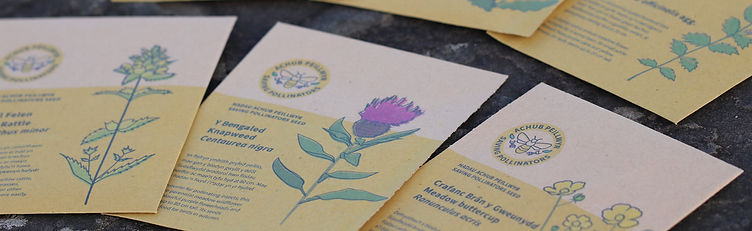
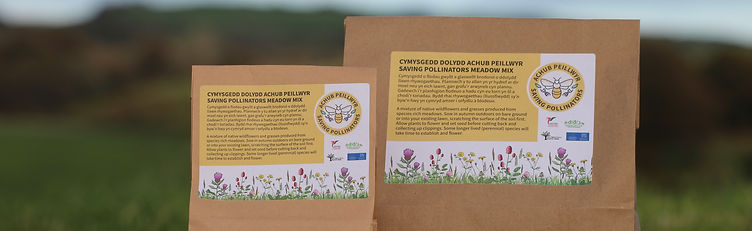
As part of the scheme, the National Botanic Garden of Wales also wanted to sell their own branded packets of wildflower seeds, which visitors could purchase and plant, helping the pollinators in their own gardens.
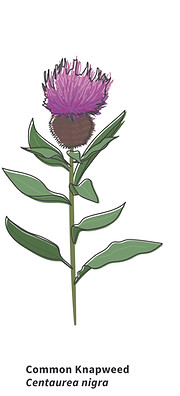
These illustrations were created to sit harmoniously alongside and compliment the clean, bold style of the brand's logo and graphics.



The brand in use at the gardens and nurseries